
Your front door is one of the hardest-working parts of your home. It’s the first thing guests see and touch, and it plays a vital role in security, insulation and weather protection. But with so many materials on the market, how do you cut through the marketing noise? Whether you’re after the heritage charm of wood or the sleek security of steel, here is the honest breakdown of how the UK’s top door materials actually stack up.
Timber: The heritage choice

The vibe: Authentic, warm, and prestigious.
- What we love: Nothing beats the “thud” of a solid oak door. It’s the only choice for Victorian or Edwardian restorations. Plus, it’s the only material you can sand down and repaint a different colour in ten years.
- The reality check: It’s a living material. If you aren’t prepared to sand and re-oil it every few years, it will show its age.
- Best for: Period properties and homeowners happy to trade low maintenance for real character.
Aluminium: The architect’s favourite
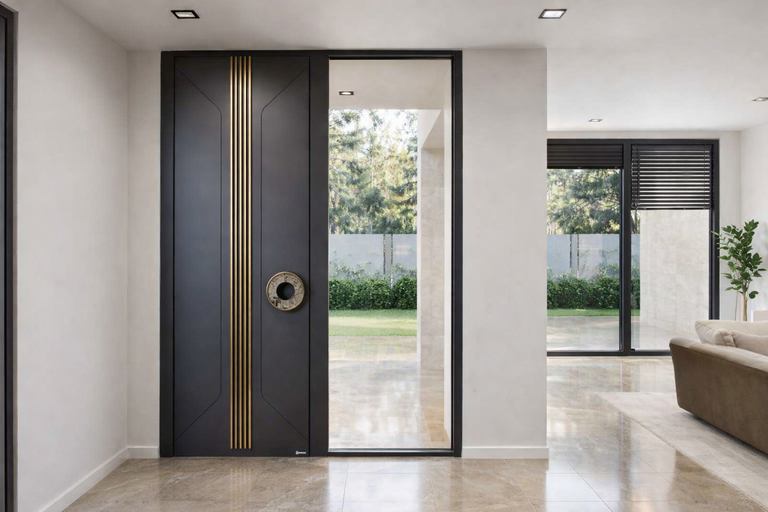
The vibe: Minimalist, high-end, and razor-sharp.
- What we love: Incredible strength. Because aluminium is so rigid, these doors can be taller and wider than other materials without warping. The powder-coated finish is highly resistant to fading.
- The reality check: It can feel “cold” in a traditional cottage setting. Ensure you choose a "thermally broken" system to keep the heat in.
- Best for: Modern builds, floor-to-ceiling glass entries, and contemporary extensions.
Steel & Hybrids: The vault standard
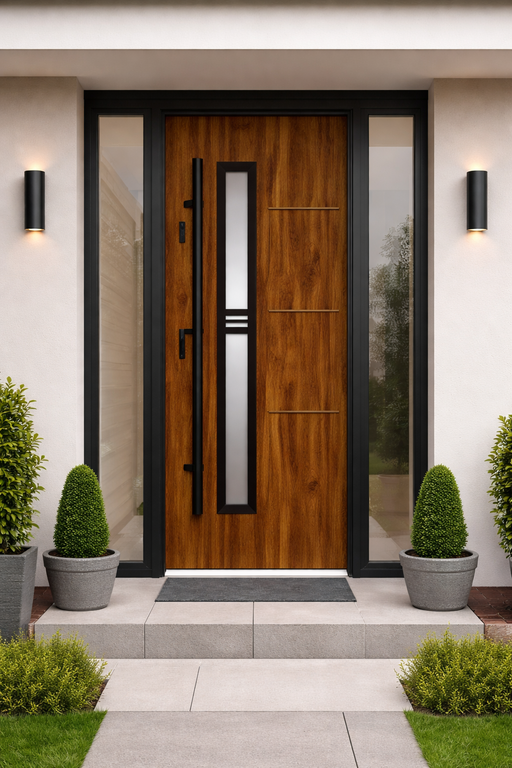
The vibe: Industrial strength security with a premium weight.
- What we love: If security matters most to you, these doors are hard to beat, with a firm, secure close and strong resistance to forced entry.
- The reality check: They sit at a premium price point. “Steel” doesn’t have to look like a warehouse door. Modern hybrids can look like wood, but you’ll pay for that engineering.
- Best for: Urban homes, high-value properties, and anyone who wants the highest security.
Composite: The great all rounder

The vibe: The "Best of Both Worlds" solution.
- What we love: It looks like timber but acts like plastic. It doesn’t rot, it doesn’t need painting, and it’s packed with foam insulation. It’s the most popular door in the UK for a reason.
- The reality check: Not all composites are equal. Cheap versions can “crack” or fade in direct sunlight. Stick to reputable manufacturers.
- Best for: Busy families who want a beautiful, secure door with zero maintenance.
UPVC: The practical professional

The vibe: Clean, functional, and budget-friendly.
- What we love: It’s often the most affordable way to improve a cold, draughty hallway. Modern uPVC has come a long way in terms of security and multi-point locking.
- The reality check: While uPVC is practical and cost-effective, it generally offers less visual impact than other materials and has the shortest overall lifespan.
- Best for: Rental properties, utility entrances, or projects where the budget is the main driver.
At a glance
| Feature | Timber | Aluminium | Steel / Hybrid | Composite | uPVC |
|---|---|---|---|---|---|
| Durability | High (if maintained) | Excellent | Maximum | High | Moderate |
| Maintenance | High | Very Low | Low | Very Low | Minimal |
| Security | Solid | High | Elite | High | Moderate |
| Price Point | £££ | ££££ | £££££ | ££ | £ |
Don’t forget the “Invisible” details
Regardless of the material, a door is only as good as its installation. Always check for:
- PAS 24 Compliance: The UK standard for enhanced security.
- U-Values: This measures heat loss. The lower the number, the warmer your hallway.
- Anti-snap cylinders: Ensure your locks are protected against the most common break-in methods.
Which is right for you?
There is no single “best” door, only the best door for your home. If you’re still torn between the character of timber and the performance of aluminium, we’re here to help you weigh the pros and cons.